While home modifications like grab bars and improved lighting are essential for senior safety, fall prevention goes far beyond the walls of the house. For older adults, small, everyday choices and proactive health measures can be some of the most effective strategies for staying steady and independent. Fall risk is often influenced by a combination of physical changes, environmental factors, and daily habits. Home care providers understand this broader picture, which is why they play an important role in supporting seniors as part of a larger care team.
The Power of Clear Sight and Hearing
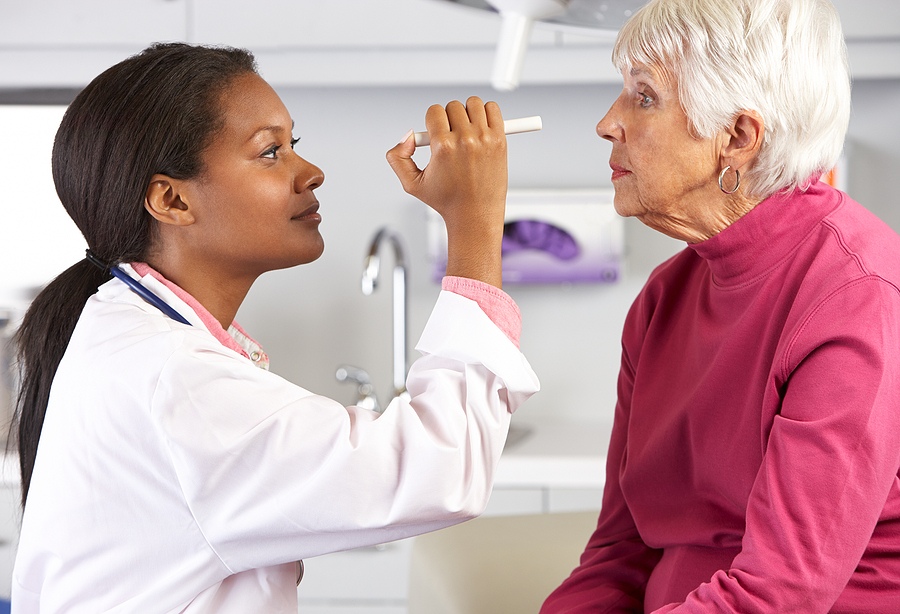
Vision and hearing changes are common with age, but even mild declines can significantly increase fall risk. When a senior has difficulty seeing obstacles clearly or hearing environmental cues, it becomes harder to judge distances, navigate uneven surfaces, and maintain balance.
Regular Eye Exams:
Seniors should schedule comprehensive eye exams at least once a year. An eye care professional can identify and treat conditions such as cataracts, glaucoma, or macular degeneration, all of which can interfere with depth perception and contrast sensitivity. These visual challenges may make it harder to notice steps, curbs, or changes in flooring.
For seniors who wear bifocals or progressive lenses, depth perception can be especially tricky when walking outdoors or using stairs. In some cases, an eye doctor may recommend a separate pair of single-vision glasses specifically for walking, which can reduce visual distortion and improve stability.
Hearing Health and Balance:
Hearing loss is often overlooked as a fall risk factor, but the inner ear plays a critical role in balance through the vestibular system. Even subtle changes in hearing can affect spatial awareness and stability. Regular hearing evaluations help identify issues early, and properly fitted hearing aids may improve both communication and balance awareness. Seniors should also be encouraged to keep hearing devices clean and well-maintained so they function as intended.
Keeping the Hands Free for Balance
The hands are one of a senior’s most important tools for preventing a fall. They allow for quick reactions—grabbing a railing, steadying against a wall, or breaking a stumble before it becomes serious. When both hands are occupied, that protective response is delayed or unavailable.
Hands-Free Carrying:
Seniors are safest when they avoid carrying items that require both hands, such as laundry baskets, heavy grocery bags, or oversized purses. Instead, lighter loads should be carried one at a time, or transported using rolling carts or bags with wheels. Crossbody bags or waist packs are also helpful because they allow seniors to keep essential items close while leaving their hands free.
Home care providers can assist with physically demanding tasks like carrying laundry, taking out trash, or unloading groceries, helping seniors conserve energy and reduce fall risk during everyday routines.
One Hand on the Rail:
When using stairs, seniors should be encouraged to always keep one hand available to hold a sturdy handrail. Even short staircases can be dangerous if balance is lost. A consistent habit of holding the rail provides an added layer of stability and confidence.
Strength, Mobility, and Everyday Movement
Maintaining muscle strength and flexibility is one of the most effective ways seniors can protect themselves from falls. As people age, muscle mass naturally declines, which can affect balance, coordination, and reaction time.
Gentle Strength and Balance Exercises:
Activities such as walking, chair exercises, light resistance training, or balance-focused movements can help seniors stay steady on their feet. Programs recommended by a doctor or physical therapist—such as tai chi or structured balance routines—can improve coordination and confidence over time. Even small efforts, done consistently, can make a meaningful difference.
Moving With Intention:
Rushing is a common cause of falls. Seniors benefit from slowing down when changing positions, especially when standing up from a chair or getting out of bed. Pausing briefly before walking allows the body to adjust and can prevent dizziness or unsteadiness.
Footwear and Floor Awareness
What seniors wear on their feet—and how they move through their environment—also plays a major role in fall prevention.
Supportive Footwear:
Shoes should fit well, provide good traction, and offer support at the heel and arch. Backless slippers, socks on smooth floors, or worn-out shoes increase the likelihood of slipping. Nonskid soles and low, stable heels are best for everyday wear.
Watching for Floor Hazards:
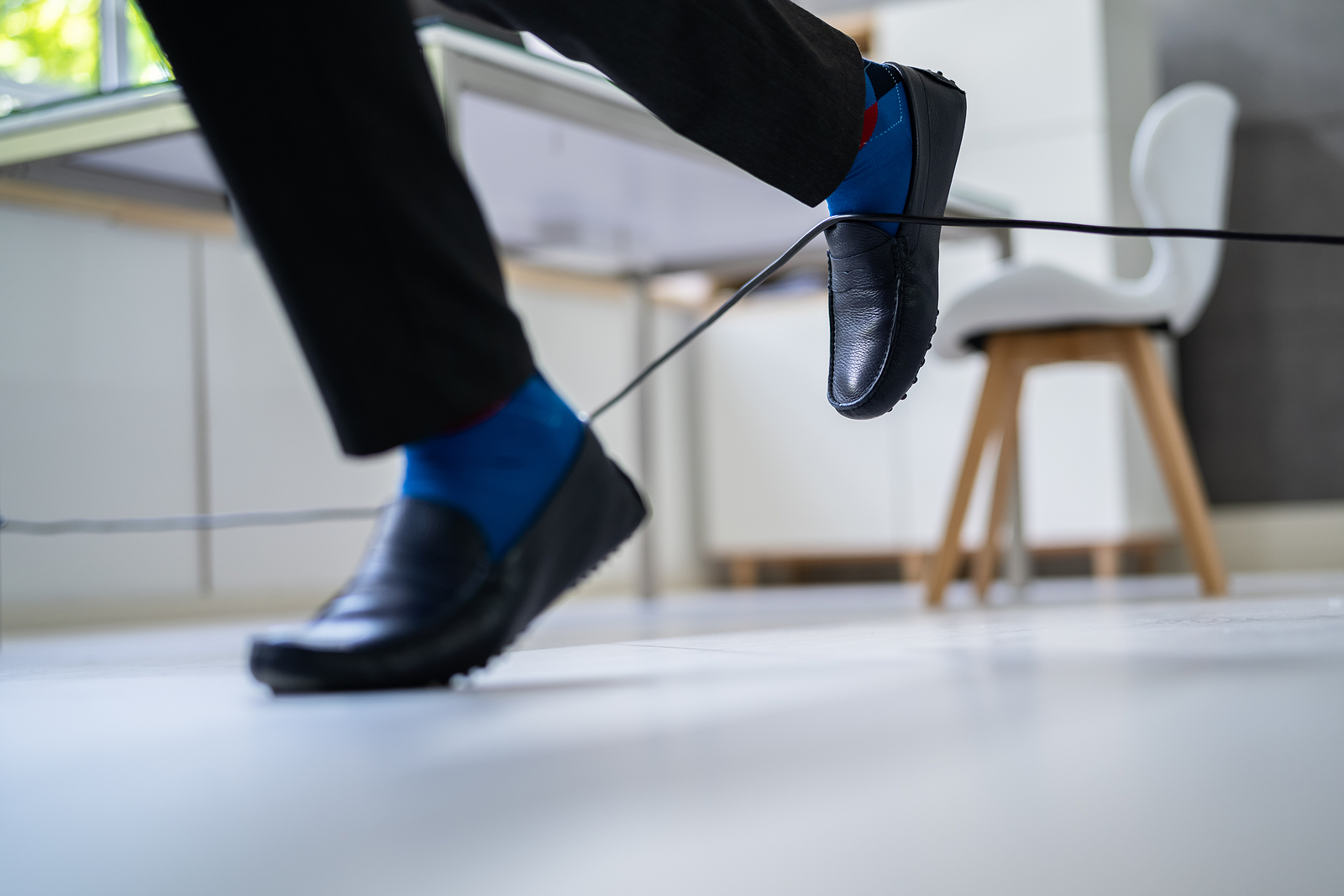
Even in a well-maintained home, everyday hazards can appear. Area rugs that shift, electrical cords, clutter, or spilled liquids can quickly become dangerous. While home modifications address many of these risks, seniors also benefit from staying mindful of where they walk and keeping pathways clear.
Reviewing Health Changes With a Doctor
Changes in health can quietly increase fall risk over time, which is why regular communication with medical providers is so important.
Doctor-Led Medication Reviews:
Certain medications—or combinations of medications—may affect balance, alertness, or blood pressure. Rather than managing medications directly, seniors should rely on their physician or pharmacist to periodically review all prescriptions, over-the-counter medications, and supplements they are taking. A doctor can evaluate whether dosages need adjustment or if alternatives may reduce side effects that contribute to falls.
Home care providers can support seniors by encouraging them to note how they feel during daily routines and reminding them to bring questions or concerns to medical appointments. This collaborative approach helps ensure medication decisions remain safely in the hands of licensed professionals.
A Team Approach to Fall Prevention
Preventing falls is rarely about a single solution. It’s about layering multiple strategies—healthy habits, environmental awareness, physical strength, and professional oversight—to create a safer daily routine. With support from home care providers, seniors can focus on maintaining independence while reducing unnecessary risks.
By prioritizing vision and hearing care, keeping hands free, strengthening the body, wearing appropriate footwear, and staying engaged with medical professionals, older adults can take meaningful steps toward staying steady, confident, and safe in their own homes.
Sources:
https://networkhealth.com/grow-in-the-know/2024/01/how-vision-and-hearing-can-affect-falls-prevention
https://www.mayoclinic.org/healthy-lifestyle/healthy-aging/in-depth/fall-prevention/art-20047358
https://www.healthline.com/health/fall-prevention#prioritizing-sleep
If you or an aging loved one is considering home care in Clayton, CA, please contact the caring staff at Golden Heart Senior Care of Walnut Creek. (925) 203-3039.