For our Privacy Policy and our Terms & Conditions, CLICK HERE
Interested in a career at Golden Heart Senior Care. APPLY HERE!

What Are Some Healthy Alternatives to Screen Time for Seniors?

Lots of seniors spend more time in front of screens than they realize, whether that’s the screen on a TV, a tablet, or a smartphone. Spending long periods of time on screens reduces time for meaningful activities. Changing things up now and again makes a difference for seniors. 24-hour home care providers work with families to find engaging alternatives that fit naturally into daily routines for seniors as they age in place.

Getting Outside for Fresh Air

Spending time outside sitting on a porch or taking a short walk in the yard can yield benefits for seniors that screens just can’t. Fresh air and natural light can help to boost moods for seniors. They also support better sleep and give seniors a change of scenery from spending time inside. Home care providers can help seniors spend time outside as safely as possible, offering company during outings or helping with mobility challenges.

Rediscovering Hobbies

Often seniors gave up hobbies as life, jobs, and other obligations took up their time and energy. Revisiting hobbies can be a lot of fun. These hobbies can also provide a sense of accomplishment and purpose that scrolling through a phone rarely offers. Sharing favorite hobbies with other people helps seniors find their passion for those hobbies again. 24-hour home care providers can help seniors set up their materials, encourage them, and sit alongside seniors as they work on hobbies.

Connecting in Person

Talking with other people face to face gives seniors the social and emotional connections they miss when they are aging in place. 24-hour home care providers are there around the clock, offering steady companionship. Sharing a meal, playing a game, or simply talking with caregivers helps seniors feel less isolated and develop stronger connections with the world around them. Consistent opportunities for real conversations that matter make a real difference for aging adults.

Getting Physically Active Again

Sitting in front of a screen keeps seniors sedentary. Trying some gentle movement gives seniors an alternative to sitting still. The exercises seniors might want to try can be as simple as light stretching, chair yoga, or a walk around the house to build up step counts. Moving more supports better circulation and improved balance for seniors. It might also boost energy levels. With the help of home care providers, seniors can try out a variety of options that feel comfortable and safe for them, as long as their doctors clear them to get moving.

Keeping the Brain Active

If seniors rely on screens for relaxation, making the switch to music, audiobooks, and books can offer similar benefits without passively viewing screens. When seniors are spending most of their time watching screens in one form or another, their days may disappear quickly. Activities that stimulate their brains help seniors to spark conversations with other people and share interests as well. 24-hour home care providers make it easier for seniors to explore new books, get out to the library, and enjoy old favorites.

Seniors don’t have to give up every moment of their screen time, but when they balance it with other activities, they may experience a better quality of life. 24-hour home care providers help seniors to find balance in their lives, including balancing companionship with time to do the things they love.

If you or an aging loved one is considering 24-hour home care in Lafayette, CA, please contact the caring staff at Golden Heart Senior Care of Walnut Creek. (925) 203-3039.

Is There Anything That Can Help When Seniors Don’t Want to Eat?

Senior nutrition is a bigger problem than families sometimes realize. And when seniors get to the point when they just don’t want to eat, that’s a situation that can’t be ignored. Understanding what’s behind the change is really important so that families can put the right solutions to work as soon as possible. Home care providers have a lot of experience helping seniors figure out how to get nutrients even with a reduced appetite.

Set a Schedule for Meals

Relying on appetite alone isn’t going to give seniors the best results, most likely. If they’re not interested in eating, then waiting for that to change might be a long wait. Another option is for seniors to stick to a schedule for meals and snacks. What this does is help their bodies to learn when to expect at least a snack. The consistency can help even if appetite isn’t there just yet.

Offer More Water

Hydration often suffers when seniors don’t have much appetite. When seniors get dehydrated, they’re more likely to have trouble with blood pressure, glucose levels, and other health issues. Elder care providers can be a huge help with hydration for seniors. They can offer water more often and make sure that seniors are eating foods that have hydrating qualities. Drinking plenty of water and other hydrating beverages can keep seniors from experiencing bigger health issues.

Bump Up the Calories

When seniors do eat, it helps to ensure that they’re eating foods that are nutritious, but that also help to meet their calorie needs. Because seniors aren’t eating as much as they should, they’re most likely way lighter on their caloric intake than they should be. Snacks and meals need to contain healthy fats, protein, fiber, and healthy carbohydrates. Home care providers can help seniors choose favorite options that meet those requirements.

Make Sure Seniors Have Lots of Choices

So much of daily life feels out of control already for aging adults. That means that they need to have as many opportunities to make their own choices as possible. Home care providers can help seniors to have a plan in place that includes a variety of options, including healthy meal choices and snacks that are both appealing and nutritious.

Talk to Medical Providers

Ultimately, if this is a long-term problem for aging adults, they need to talk with their medical providers. There might be more going on behind the scenes that seniors don’t know about. Working through the possibilities with their doctors can give seniors insights that help them to get the nutrition they need and hopefully resolve future health issues before they become a much bigger problem.

Home care providers can offer a lot of support to seniors and to family caregivers while they cope with the challenges of nutritional issues. It’s so difficult for seniors to force themselves to eat when they aren’t interested, but following some of these tips can help them to find their appetites again and address any underlying issues at the same time.

If you or an aging loved one is considering home care in Alamo, CA, please contact the caring staff at Golden Heart Senior Care of Walnut Creek. (925) 203-3039.

What Does Companion Care at Home Do for Seniors?

For seniors who decide to age in place, there are stages of needing help. Aging adults might not need a great deal of hands-on assistance at first. They may be handling daily tasks well on their own, including household tasks and personal care tasks. But socializing may be more difficult. That’s where companion care at home can make a real difference. Companion caregivers can spend time with seniors, keep them engaged in the world around them, and help keep family members aware of challenges seniors are facing before they become a problem.

Offer Mental Stimulation

Seniors sometimes don’t realize when they are not getting the mental stimulation that they need. It’s easy to fall into routines that don’t challenge them and that leave them feeling bored. Companion care at home offers conversation and other opportunities for seniors to keep their brains active and engaged. Companion caregivers mix social engagement with other activities that keep seniors’ brains working and engaged.

Assist with Errands and Outings

When seniors have trouble leaving the house, either because of mobility or for other reasons, companion caregivers can be a huge help. Companion caregivers can spend time with seniors while they make grocery lists, for instance, then help them make their way through the grocery store and back home. These types of errands are so much easier when seniors know they don’t have to worry about handling everything alone.

Offer Social Connection

Companion caregivers spend time with seniors, talk with them, and encourage them to spend time doing the things they love to do. They can also help seniors to find easier ways to get involved with the community around them, including accompanying them to events and making it easier to join in with community activities. The companionship they can offer is customizable, too, so that seniors get the exact amount and type of companionship they need most.

Help with Mobility

Seniors with significant mobility issues might want to have help from home care providers or even medical assistance, but companion caregivers can help with minor mobility needs. They can remind seniors to use their mobility tools, like canes and walkers, so that they can continue moving around safely. They can also assist with transportation needs, particularly when seniors need to leave home for errands or doctors’ appointments.

Improve Overall Quality of Life

When seniors are lonely or feeling understimulated, their quality of life suffers. Spending time with companion care at home offers seniors the chance to share meaningful connections, get social engagement, and enjoy activities that might have been difficult to do on their own. Companion caregivers offer the initial support that seniors need to maintain their quality of life. And when seniors need additional help, companion caregivers can let family members know what they’re seeing so that aging adults can get that extra assistance.

Companion care at home is a different type of help than traditional home care, but it offers social and emotional support that makes a huge difference for aging adults. Seniors avoid loneliness and isolation, maintain their independence, and establish daily routines that meet their needs.

If you or an aging loved one is considering companion care at home in Pleasant Hill, CA, please contact the caring staff at Golden Heart Senior Care of Walnut Creek. (925) 203-3039.


Five Tricks to Help Seniors Hydrate When It’s Hot Outside

Hot weather means that people need to stay on top of how they’re feeling. For seniors, that means paying special attention to how well hydrated they are. The warmer the weather gets, the more dangerous dehydration is for seniors. Decreased thirst and other health issues can also contribute to dehydration during hotter weather. Senior home care providers can help aging adults figure out the best ways to stay hydrated, especially when it’s hot out.

Take Water Breaks

As simple as it is, taking regular breaks for sipping water bypasses issues like decreased thirst and forgetting to sip water. Keeping water breaks in each day’s routine means that it’s a lot easier for seniors to stick with their hydration goals. Making hydration a game can also help, especially if seniors have someone they can engage in gentle competition with each day.

Include More Hydrating Foods

Water is the best way to hydrate, but lots of different foods are hydrating, too. Home care providers can help seniors to look more closely at their diets and choose foods they enjoy that are also more hydrating. Planning to include those foods more often increases hydration without adding a lot of effort for seniors.

Spruce Up Plain Water

It is not uncommon at all for people of all ages to skip drinking water because they don’t really like the taste of it. Finding ways to spruce water up a bit can make it more appealing and makes it easier to sip often. Flavorings, ice, and even the right glass or water bottle can all play a role in making water more exciting for seniors. Experimenting can be a lot of fun, too.

Avoid Direct Sun at the Hottest Times

Scheduling activities at the right times can also help seniors to avoid dehydrating. Spending time outdoors is a lot more fun when the weather is warm, but if seniors are spending time in direct sun during the hottest parts of the day they might dehydrate more quickly. Senior home care providers can help aging adults stay mindful of how their environments impact their ability to stay hydrated.

Make Sure Air Moves

Stagnant air is uncomfortable and can help seniors overheat when the weather is warmer. Older homes don’t always have air conditioning, so using fans throughout the house can help air to circulate, keeping seniors cooler during hot weather. If seniors get too hot, they can sweat more than they expect, which also contributes to dehydrating. Senior home care providers help seniors keep track of temperatures at home, and can help them to find solutions if their homes are too warm.

Hydration can solve a great many problems for aging adults, but it’s not always easy for them to get all the water that they should be drinking every day. Senior home care providers can help seniors to keep track of fluid intake and figure out how to make hydration possible for their situation. Family caregivers can rest a lot easier when they know that the seniors they love are in good hands.

If you or an aging loved one is considering senior home care in Concord, CA, please contact the caring staff at Golden Heart Senior Care of Walnut Creek. (925) 203-3039.
What Are the Biggest Benefits of Aging in Place for Seniors?

When seniors aren’t ready to leave their own homes for an unfamiliar living environment, they’re choosing to age in place. This solution offers seniors the chance to continue living where they feel most comfortable while they also get the support they need to stay safe and independent. Home care assistance helps to make this possible by offering personalized support that maintains daily routines.

Improved Quality of Life

Aging in place lets seniors maintain a higher overall quality of life. Older adults who stay in their homes are often in a better position to keep enjoying their routines, activities, and comfortable surroundings. These aspects of daily life bring seniors happiness and comfort. Staying in a familiar setting also reduces stress and helps seniors relax and enjoy their lives. Home care providers can also be there to support seniors as they manage daily tasks.

Comfort and Familiarity

Seniors’ homes are full of personal memories. That includes belongings they love and spaces that offer them emotional security. Aging in place allows seniors to remain surrounded by the people, items, and spaces that they find most meaningful. Familiar environments can also be helpful for seniors who experience cognitive illnesses or trouble with memory. Home care assistance can make sure seniors are safe as they age, without having to leave their homes.

Control and Independence

Maintaining independence is often a major goal for seniors. Aging in place lets them continue to make the personal decisions that shape their days, like what they’ll eat, what they’ll do, and which activities will be part of their routines. That sense of control helps seniors continue to feel positive about their lives, even when they need a little extra support. Home care assistance offers personalized support with exactly the tasks that are difficult for seniors.

Improved Emotional Wellness

Aging in place also supports better emotional health for seniors. When seniors stay connected to their neighbors, friends, and communities, they’re less likely to feel lonely and isolated. Moving away from their homes can feel isolating and overwhelming for seniors, especially if they’ve lived in the same place for many years.

Improved Involvement from Family Members

When seniors stay in their own homes, it’s a lot easier for family members to stay involved in their lives and care plans. Loved ones feel more comfortable visiting regularly when seniors are in their own homes. Families can keep routines they’ve loved for years, including holiday celebrations and daily life with the seniors they love. Home care assistance offers families emotional support by keeping them informed and helps them remember to take care of themselves by taking respite time more often.

Ultimately, aging in place lets seniors stay comfortable and maintain their dignity and independence for as long as possible. Seniors continue to enjoy the lives they know and love while knowing that they have the right support at the right time. Home care assistance is there to help seniors thrive happily and safely while they age in place for as long as they want to do so.

If you or an aging loved one is considering home care assistance in Danville, CA, please contact the caring staff at Golden Heart Senior Care of Walnut Creek. (925) 203-3039.

Why Do Seniors Lose Their Balance?

Seniors who opt to age in place have to consider how their health and other issues might make that goal more difficult. One of the issues that most seniors face is balance trouble. Seniors might lose their balance for a combination of reasons, some of which they might be able to control themselves. Home care providers can help seniors to adopt habits and routines that make it easier for them to maintain their balance.

Medication Side Effects

Some of the medications that seniors take to manage health issues can affect their ability to maintain their balance. Medications that leave seniors feeling dizzy or lightheaded might have a greater impact on balance. Elder care providers can help seniors to notice when their medications are affecting balance, helping aging adults move carefully after they take those medications.

Neurological Health Conditions

Conditions like multiple sclerosis or Parkinson’s disease affect the nervous system. When the nervous system can’t function the way it’s designed to operate, seniors have a tougher time maintaining their balance. If the condition is progressive, seniors may not be able to reverse the issues they experience.

Blood Pressure Changes

When blood pressure drops too low or gets too high, seniors might have more trouble with balance issues. Maintaining a healthy blood pressure consistently can help to avoid those issues. This might mean taking medications, exercising, and following other care plan recommendations from medical providers. Home care providers can help seniors to stay on track with their plans for managing blood pressure problems.

Blood Sugar Changes

Blood sugar can present similar problems for seniors. Conditions like diabetes make it more difficult for aging adults to keep their blood sugar levels under control. Eating a healthy diet, moving more, and following their doctors’ advice can help seniors to maintain healthier blood sugar levels that are also more consistent. Elder care providers can work with seniors to plan meals they like that are also healthy.

Vision or Hearing Issues

Seniors may not realize it, but their vision and hearing play a huge role in how well they’re able to maintain their balance. Getting their hearing and vision checked regularly helps seniors spot changes that might be affecting their ability to move safely and remain as mobile as they want to be. Home care providers can help seniors to maintain a tidy home, removing clutter and keeping pathways clear.

Poor Circulation

Poor circulation can be a result of bigger health issues or it can be a concern all on its own. When seniors don’t have good circulation, they’re more likely to feel lightheaded or dizzy when they stand up, which can lead to a fall. Seniors may want to talk to their doctors if they notice that their extremities are often cold or they are feeling dizzy or lightheaded more often. Correcting circulation issues can help reduce fall risk factors and improve balance.

Just because they’re getting older, that doesn’t necessarily mean that seniors have to accept that they’re going to have more trouble with their balance. Home care providers can help seniors to spot possible causes for their balance troubles and find ways to stay safe at home.

If you or an aging loved one is considering home care in Concord, CA, please contact the caring staff at Golden Heart Senior Care of Walnut Creek. (925) 203-3039.
What Kinds of Memory Care Activities Can Seniors with Dementia Try at Home?

Incorporating memory care activities into daily life is an easy way to improve quality of life for seniors with dementia, especially when they’re trying to age in place for as long as possible. Alzheimer’s care providers can help seniors with dementia to find the memory care activities that they enjoy so that their daily routines support their needs.

Repetitive Tasks and Hobbies

Hobbies and repetitive tasks can be soothing, but when they’re favorite tasks, they also offer a sense of purpose and can engage the various senses. Activities like gardening, painting, or even household tasks like folding laundry can all fit this category. Any activities that can stimulate seniors can work well for their memory care goals.

Playing with Pets

Spending time with animals, either their own pets or therapy animals, can do so much to boost mood and improve emotional well-being for seniors with dementia. Animals help to reduce loneliness and offer companionship. Seniors with dementia also connect with pets in a way that is different from their relationships with other people, allowing them to use different parts of their brains.

Playing Video Games and Other Types of Games

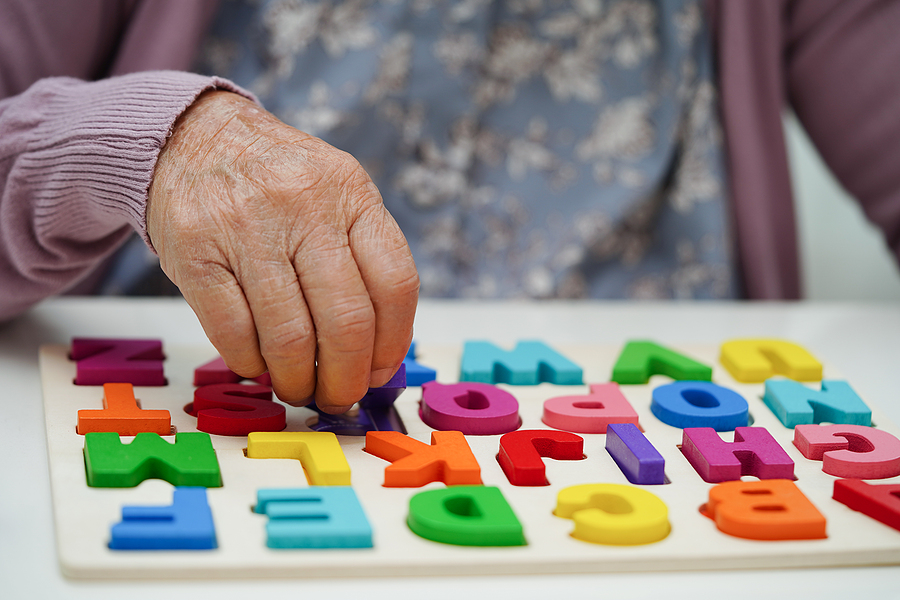
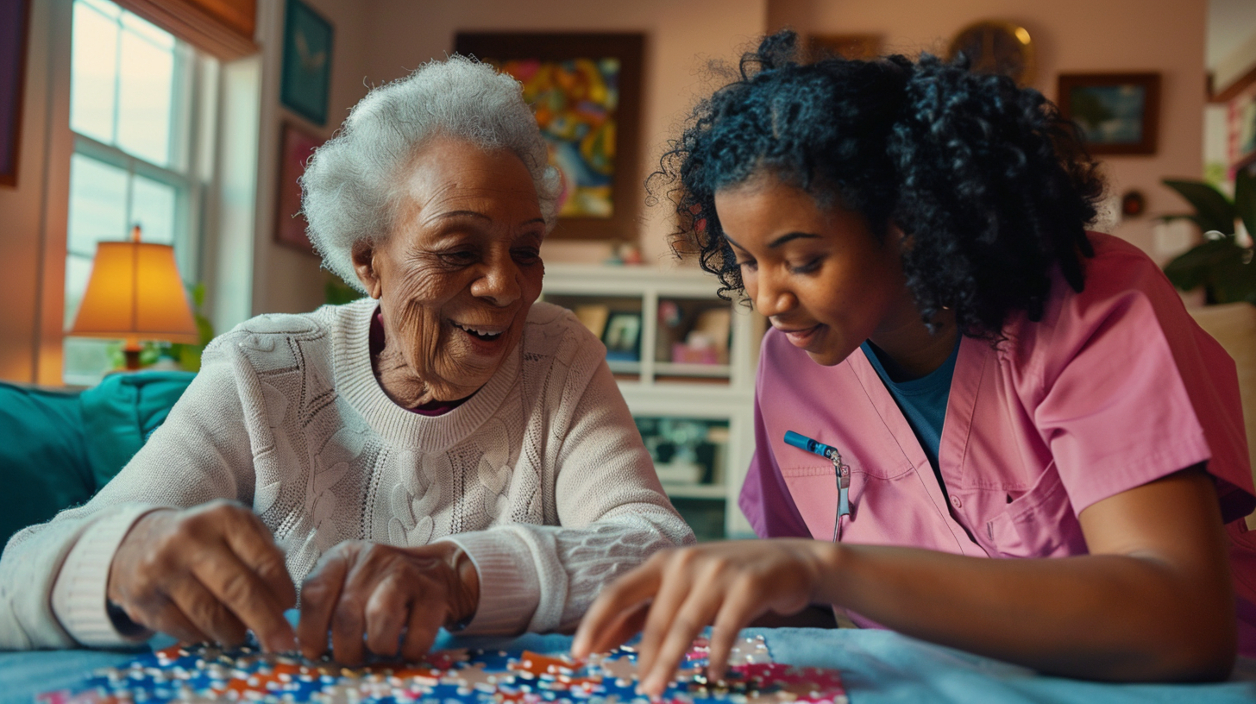
Games are about more than just having fun, although they are fun for people of all ages and abilities. Puzzles, word games, board games, and even card games can be really helpful for seniors with dementia, especially when they’re engaging in these activities with other people, like home care providers. Video games can offer interactive benefits, too, helping seniors with dementia solve problems, use their memories, and improve eye-hand coordination.

Getting Creative

Making something, whether that’s a piece of art, a journal, or any other type of creative expression can help seniors with dementia to manage stress and to process their emotions. Creative activities can also help seniors to solve problems and build their self-esteem.

Physical Exercise

Moving more helps to improve cognitive functioning because it uses different parts of the brain. It also helps to improve circulation, which benefits every part of the body, not just the brain. Some activities, like yoga or tai chi, can also offer meditative qualities that help improve mindfulness while also helping with balance and flexibility.

Reading

Seniors with dementia may also enjoy reading not just favorite books and stories, but also reading new ones. As dementia progresses, short stories or poems might fit their attention span more easily. Listening to audiobooks or reading aloud with Alzheimer’s care providers can also be a great way to incorporate reading and stories into daily activities.

Music

Music inspires memories and evokes emotions for people every day. In terms of memory care, music can be really helpful in reminiscing and serving as a way for seniors to express themselves. Adding music to other activities can make it easier for seniors to engage in those activities, too.

Conversations

Talking with other people and engaging in social activities stimulates multiple areas of the brain. Seniors with dementia may not get the social connection that they need, but Alzheimer’s care providers are there helping already. Seniors have someone right there they can talk with and engage in all sorts of activities with.

Memory care activities offer seniors with dementia a variety of opportunities to stimulate different areas of their brains without feeling as if they’re forcing themselves to do something for brain health. Alzheimer’s care providers can help families establish routines that flow.

If you or an aging loved one is considering Alzheimer’s care in Alamo, CA, please contact the caring staff at Golden Heart Senior Care of Walnut Creek. (925) 203-3039.
Understanding Vertigo: Causes, Symptoms, and Its Impact on Daily Life

Vertigo is not a condition itself, but rather a symptom that signals an underlying issue—though it is often described as if it were a diagnosis. It refers to the unsettling sensation that a senior or their surroundings are in motion when no actual movement is occurring. This can feel like spinning, tilting, swaying, or even being pulled in a particular direction. While occasional dizziness is common, vertigo is more intense and can significantly affect how a person experiences their environment.

For some seniors, vertigo occurs briefly and infrequently, causing only minor interruptions. For others, however, recurring episodes can be disorienting and disruptive. Persistent vertigo may impact balance, confidence, and the ability to safely navigate daily routines, increasing the risk of falls and injury.

Two Types of Vertigo – Two Causes

Understanding the source of vertigo is key to managing it effectively. Vertigo is generally classified into two main types, depending on where the issue originates in the body.

Peripheral Vertigo

Peripheral vertigo is the most common type and is caused by a problem in the inner ear. The inner ear plays a critical role in maintaining balance by sending signals to the brain about the body’s position and movement. When this system is disrupted, vertigo can occur.

In seniors, peripheral vertigo may develop when parts of the inner ear become inflamed, irritated, or damaged. Conditions such as benign paroxysmal positional vertigo (BPPV), inner ear infections, or age-related changes can all contribute. Certain medications may also affect the inner ear’s function, increasing the likelihood of vertigo symptoms.

Because the inner ear is so closely tied to balance, even small disruptions can cause pronounced sensations of spinning or movement. Fortunately, peripheral vertigo is often manageable with proper treatment and lifestyle adjustments.

Central Vertigo

Central vertigo is less common but typically more complex. It originates in the brain, often in the brainstem or cerebellum—areas responsible for coordinating movement and balance.

This type of vertigo may be associated with underlying neurological conditions. Potential causes include blood vessel disease, migraines, seizures, or the presence of a tumor. Because central vertigo involves the brain, symptoms may be more persistent and accompanied by additional neurological signs.

Accurate diagnosis is especially important with central vertigo, as it may point to more serious health concerns that require medical attention.

Recognizing Vertigo Symptoms

Vertigo presents differently for each individual, but there are several common symptoms that seniors and caregivers should be aware of. The most defining feature is the sensation that the room is spinning or tilting, even when standing still.

During more intense episodes, this sensation can lead to nausea or even vomiting. The unpredictability of vertigo can also make it difficult to perform everyday tasks safely.

Other symptoms that may accompany vertigo include:

  • Hearing loss in one or both ears
  • Sensitivity to light or visual disturbances
  • General dizziness or lightheadedness
  • Difficulty focusing, reading, or maintaining visual clarity
  • Ringing, buzzing, or a whooshing sound in the ears
  • Loss of balance or unsteadiness while standing or walking

When vertigo stems from central causes, additional symptoms may appear, such as:

  • Slurred or slowed speech
  • Muscle weakness
  • Difficulty swallowing
  • Double vision or blurred vision
  • Facial paralysis or numbness

These additional symptoms can signal a more serious condition and should be evaluated promptly.

Common Vertigo Triggers

While vertigo can sometimes occur without warning, there are several common triggers that may increase the likelihood of an episode. Identifying these triggers can help seniors and caregivers take preventive steps.

Frequent triggers include:

  • Moving the head too quickly, especially when turning or looking upward
  • Becoming dehydrated, which can affect overall balance and circulation
  • Looking down or up while standing, which may disrupt spatial orientation
  • Rolling over in bed, particularly with certain inner ear conditions
  • Standing up too quickly, especially after lying down
  • Fatigue or lack of adequate rest
  • Consuming excessive caffeine or alcohol
  • Exposure to motion that confuses the brain, such as riding in a car, elevator, or amusement ride

In many cases, vertigo is the result of the brain receiving conflicting signals from the inner ear, eyes, and body. When these signals do not align, the sensation of movement can occur even when stationary.

When Vertigo Becomes Part of Daily Life

For seniors who experience vertigo regularly, daily life can become increasingly challenging. Tasks that once felt simple—such as getting out of bed, showering, preparing meals, or walking through the home—may suddenly require extra caution.

The risk of falling is one of the most serious concerns associated with vertigo. Even a brief episode can lead to a loss of balance, increasing the likelihood of injury. As a result, many seniors may begin to limit their activities out of fear, which can impact both physical health and emotional well-being.

Over time, this can lead to decreased independence, reduced mobility, and social isolation. That’s why having the right support system in place is essential.

A 24-hour home care team can provide continuous support for seniors living with vertigo. With a caregiver present at all times, assistance is readily available for mobility, personal care, and household tasks. This level of care helps reduce fall risks while allowing seniors to remain in the comfort of their own home.

Caregivers can also help monitor symptoms, encourage hydration, assist with safe movement techniques, and provide reassurance during episodes. By creating a stable and supportive environment, seniors can maintain a greater sense of confidence and independence despite ongoing vertigo challenges.

Supporting Safety and Stability

Managing vertigo is not only about addressing symptoms—it is also about creating a lifestyle that promotes safety and stability. Small adjustments can make a meaningful difference, such as keeping frequently used items within easy reach, ensuring proper lighting throughout the home, and minimizing tripping hazards.

Regular communication with healthcare providers is also important to monitor changes in symptoms and adjust care plans as needed.

With the right combination of medical guidance, environmental adjustments, and supportive care, seniors living with vertigo can continue to lead safe, engaged, and fulfilling lives.

If you or an aging loved one is considering 24-hour home care in Concord, CA, please contact the caring staff at Golden Heart Senior Care of Walnut Creek. (925) 203-3039.

What Can Families Do to Help Seniors Manage Anxiety?

Aging brings with it a variety of different challenges for seniors. Even if they’ve never dealt with anxiety in the past, it can become a big problem while seniors work at aging in place. Figuring out how to manage anxiety properly is a huge part of helping seniors to enjoy their lives and have a positive experience as they continue to age at home. One of the best ways to address senior anxiety is to offer solutions for loneliness, like bringing in companion care at home.

Why Are Seniors Anxious?

It can look on the surface as if seniors really don’t have much of a reason to experience anxiety. But problems with mobility, losing people they love, and dealing with chronic health conditions can add up and cause seniors to feel anxious. Sometimes side effects from medications that help health issues lead to anxiety issues. Most seniors are likely to experience a combination of causes.

Signs of Senior Anxiety

The signs of senior anxiety can be as obvious as changes in sleeping and eating habits or even increased trouble with memory and focus. For many seniors, the signs of anxiety are physical, like a racing heartbeat, nausea, and trembling muscles. Other seniors might experience repetitive thoughts or feel a need to repeat actions, like checking door locks. Keeping track of what symptoms seniors experience can help them spot patterns. Home care providers can help with this type of tracking, making it easier for seniors to have information ready for medical providers.

Types of Anxiety

When most people talk about anxiety, they might just refer to it as anxiety. But there are different types of anxiety, and seniors might be experiencing a specific version. Phobias are very specific fears or worries, which usually encompass situations like doctor’s visits, being alone, or storms. Social anxiety usually occurs when seniors are nervous in social situations, like meeting new people or engaging in group activities. Companion care at home can be incredibly helpful for seniors with social anxiety, because they offer one-on-one companionship with no pressure. Another common type of anxiety is obsessive-compulsive disorder, or OCD. If OCD is severe, therapy can help.

Lifestyle Changes That Help Anxiety

If there’s no obvious cause for senior anxiety, including underlying medical conditions, then lifestyle changes can sometimes help. Avoiding caffeine, especially later in the day, can help when seniors experience jitters related to anxiety. Improving sleep habits, adopting a healthy diet, and getting some more movement in every day can all work, too, especially if seniors talk with their doctors first.

Putting Other Support in Place

Sometimes what seniors need in order to manage anxiety is regular companionship. Companion caregivers are slightly different from elder care providers. They don’t focus on hands-on caregiving assistance, but instead offer friendly companionship on a schedule that works for seniors and their families. Companion care at home is flexible and allows seniors to have someone to talk with, engage in activities with, and help them to feel comfortable as they age in place.

Managing senior anxiety doesn’t have to feel complicated for families. Companion care at home can offer support in a variety of ways, ensuring that seniors have someone to talk to and someone to notice when they need more support.

If you or an aging loved one is considering companion care at home in Danville, CA, please contact the caring staff at Golden Heart Senior Care of Walnut Creek. (925) 203-3039.

Six Major Signs of Poor Nutrition in Seniors

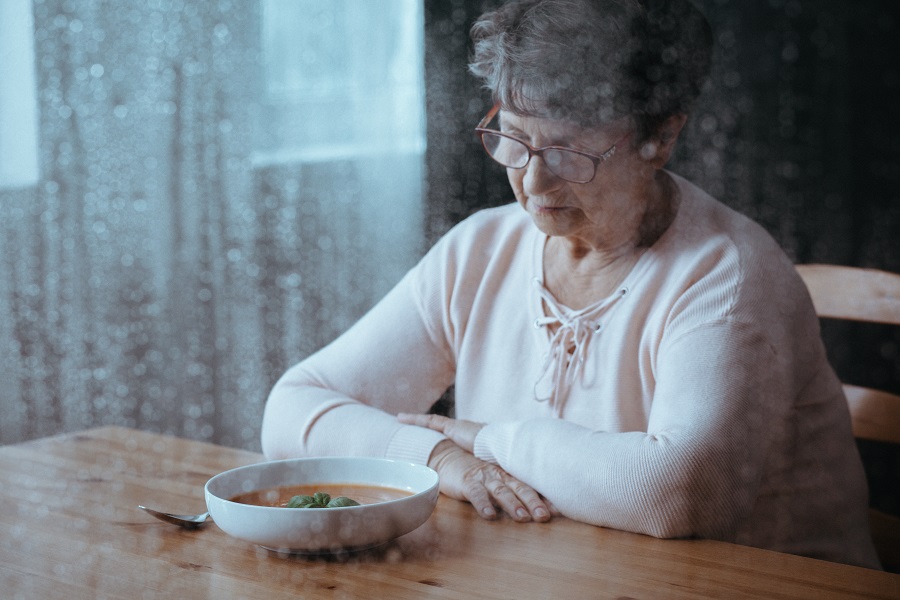
Good nutrition is one of the pillars of healthy aging. Unfortunately, many seniors have difficulty eating well on a consistent basis. Between appetite changes, trouble preparing meals, and chronic health conditions, seniors may find it impossible to eat a balanced diet. The really difficult part may not be obvious right away. Families and senior home care providers can work together to catch nutritional issues seniors experience and get them the help they need.

Cognitive Changes

Brains need nutrients in order to function well. When seniors don’t get enough of the right nutrients, cognitive changes often follow. Trouble concentrating, confusion, and memory issues can all be related to nutritional deficiencies. Adequate hydration, healthy fats, and other nutrients are all a huge part of keeping seniors’ brains healthy. Noticing changes in cognitive functioning might mean that seniors aren’t getting enough nutrition.

Mood Shifts

Poor nutrition can also affect more than just physical health. Seniors who aren’t eating well might notice they experience shifts in mood, like increased irritability, anxiety, or feelings of depression. Nutrients like magnesium and vitamin D are crucial for regulating moods. When seniors don’t get enough of those nutrients, they might experience emotional challenges. Senior home care providers can help seniors and family members notice these mood changes to find the root cause.

Fatigue

Everyone feels tired occasionally, but if seniors experience persistent fatigue, they might not be getting the fuel they need. Not getting enough calories, dehydration, or iron deficiency are just a few of the possible culprits. Seniors who seem unusually tired, unmotivated, or less engaged in their typical routines might be dealing with nutritional deficiencies.

Dental Issues

Oral health and nutrition go hand in hand as well. When seniors are low in calcium, vitamin C, or vitamin D, they might experience dental problems. Some of these issues could include tooth loss, gum disease, or slow healing with oral wounds. Dental pain or poorly fitting denture appliances can make it tougher for seniors to eat, which makes it even more difficult to get the nutrition seniors need.

Slow Healing

The body relies on proper nutrition to repair itself. When seniors don’t get enough vitamin C, protein, or other nutrients, seniors might find that small cuts and bruises take longer than expected to heal. Slow healing can be a sign that seniors’ bodies may not have the resources they need, which can also increase the risk of infections. Families should mention slower healing to medical providers so they can get to the root cause.

Skin and Hair Changes

Poor nutrition can also cause skin issues, brittle nails, and thinning hair. Seniors may not be getting enough healthy fats or certain vitamins, like A and E. Dehydration can also cause skin and hair changes over time. Some of these issues happen due to aging, but if the changes occur quickly, they may be related to nutritional issues.

Nutrition has a big impact on how seniors look, feel, and function as they age in place. Senior home care providers can help aging adults eat better and stay healthier by assisting with meal preparation and watching for signs of possible issues.

If you or an aging loved one is considering senior home care in San Ramon, CA, please contact the caring staff at Golden Heart Senior Care of Walnut Creek. (925) 203-3039.