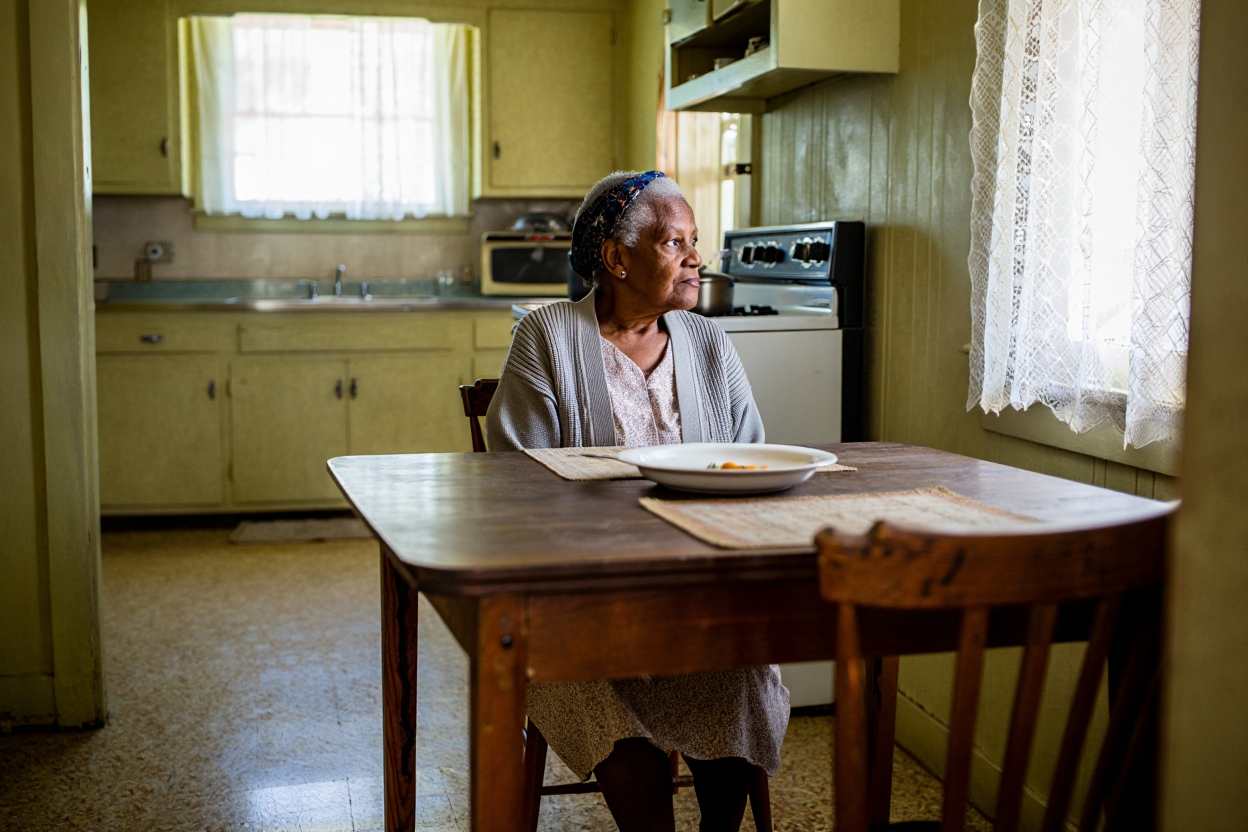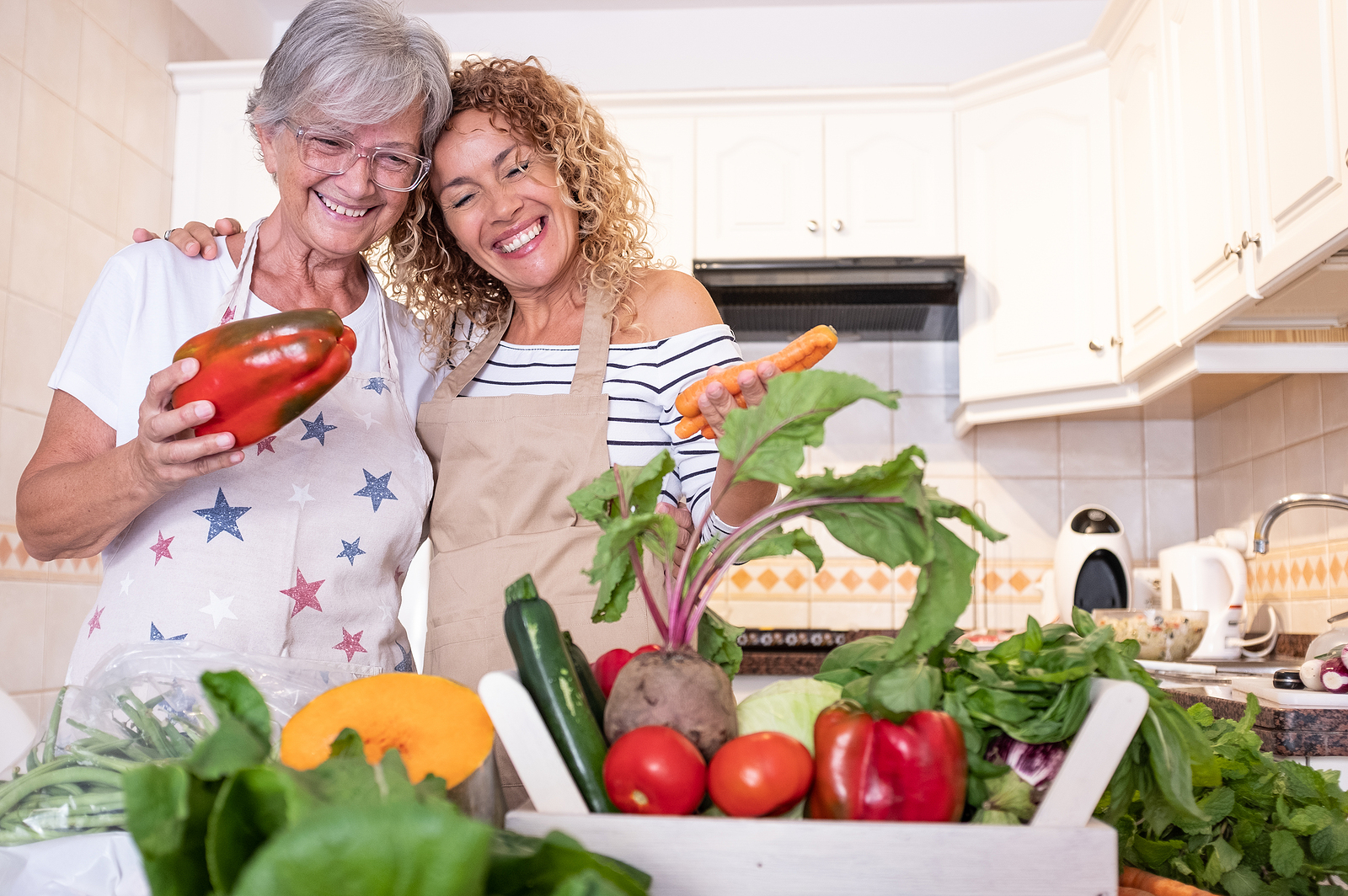
If your elderly loved one lives alone, you might worry that he’s not eating well when you’re not there. This is a common concern for many caregivers who provide visits to their elderly loved ones or connect with them on the phone regularly, but do not live with them and aren’t able to help with daily meal preparation.
Importance of Good Nutrition as a Person Ages
Healthy eating is always an important part of anyone’s health journey, but it is especially important for the elderly. While there are plenty of wellness perks of eating healthy, the three main reasons to routinely enjoy a healthy diet are:
- It keeps the mind sharp. People who eat plenty of green, leafy vegetables, fresh fish, nuts, and fruit tend to stay sharp-minded longer. These foods help a person stay focused on tasks and retain needed information. They may even help reduce the risk of dementia.
- It keeps the body in good shape. Good nutrition boosts a person’s immune system and helps reduce the risk of diseases such as heart disease, diabetes, and high blood pressure. Eating well can also reduce the risk of obesity, which can trigger many health conditions in the elderly.
- It increases a sense of well-being. Eating well provides the energy and fuel needed to enjoy life to its fullest, helping seniors enjoy each day more.
Helping Your Senior Make Better Food Choices
Many poor food choices are due to a lack of knowledge, a fear of the unknown, and an inability to prepare it. It can also be linked to budget concerns, but with proper planning, a little help, and a willingness to break old bad habits, your elderly loved one can be eating well in no time.
Five Tips for Better Meals for Your Senior
- Work with them once a week on meal planning. Pick one day a week where you’ll shop with your loved one and then help them make a large batch or two of several healthy meals that can be stretched to be eaten most of the week. This will ensure they have something delicious and nutritious on hand when they get hungry, so they’ll reach for it instead of that frozen pizza.
- Make small changes. If your loved one has a lot of bad eating habits, don’t look to change them all over night. Talk to his doctor about where to start – maybe it’s reducing his salt intake, eliminating sugary sodas from his drink supplies, or incorporating more fresh protein instead of fried foods.
- Clean out those cupboards and the fridge. Are there pitfalls waiting for them in the freezer or on the back shelf of the pantry? Getting them out of the house reduces temptation.
- Introduce seasoning. Good seasoning can reduce the need for excess salt or fatty sauces and dips, making many foods healthier.
- Get help from a personal care at home provider. If your loved one needs daily help with meal preparation, a personal care at home provider can help him with preparing healthy meals that meet his dietary requirements. A personal care at home provider can also help with shopping, cleaning up afterward, and even making sure those leftovers are tossed after they’re no longer good to consume.
These small steps can help you rest easier knowing your senior is eating healthy.
If you or an aging loved one is considering personal care at home in Walnut Creek, CA, please contact the caring staff at Golden Heart Senior Care of Walnut Creek. (925) 203-3039.