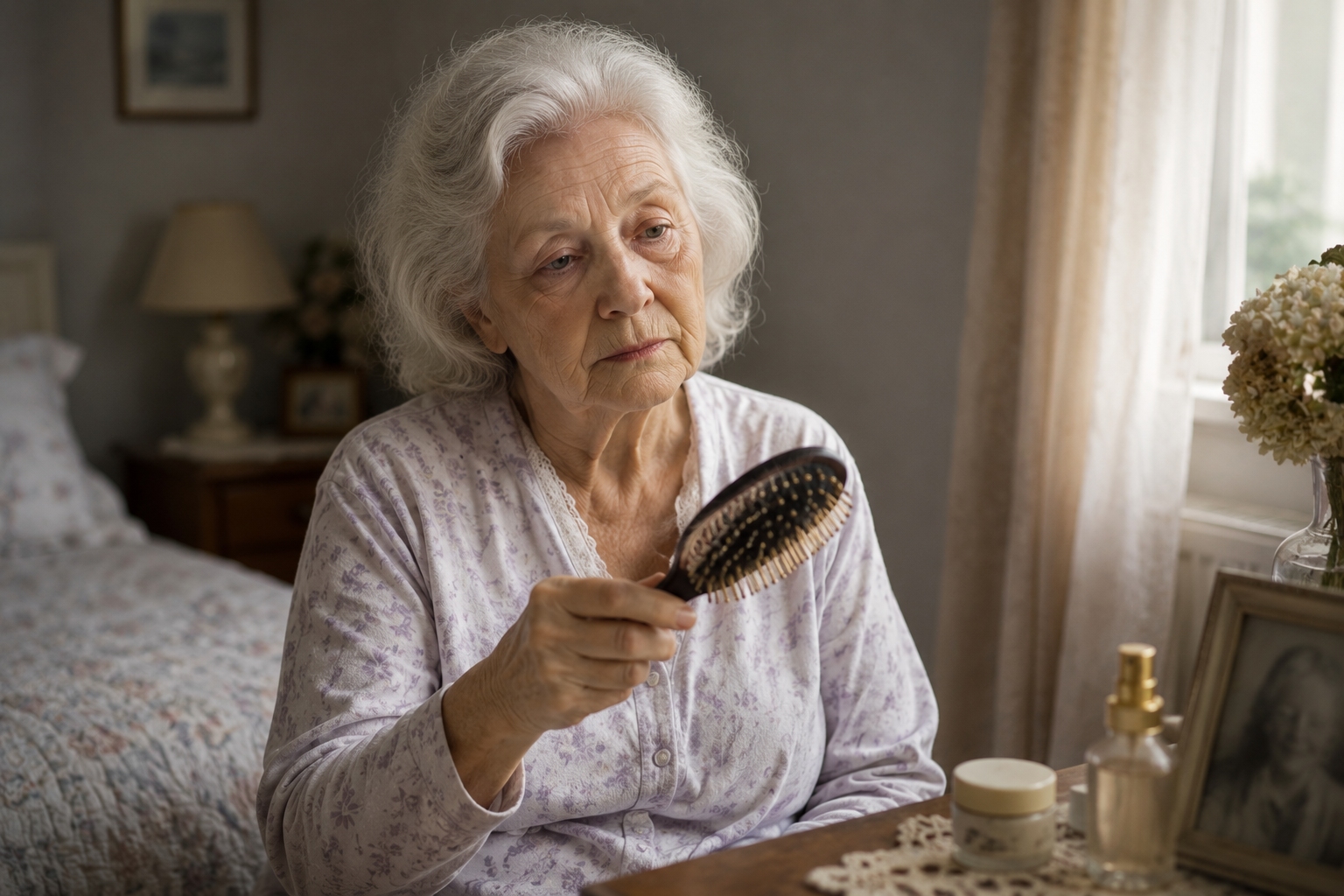
Your dad has always been the first one ready for family gatherings. Your mom never missed an opportunity to have her hair done before going out. Then, over time, something changes.
You notice your parent wearing the same outfit every time you visit. Their hair doesn’t look as clean as it used to. Maybe there’s a noticeable body odor that wasn’t there before, or you realize the soap in the shower hasn’t been touched in weeks. When you gently ask if everything is okay, the answer is always the same: “I’m fine.”
As an adult child, it’s easy to wonder what’s happening. Has your parent simply stopped caring? Are they becoming forgetful? Is this a normal part of aging?
In many cases, the answer is much simpler—and far more understandable. Personal hygiene often becomes one of the first daily routines to suffer when aging makes everyday tasks more difficult. Fortunately, personal care at home can provide the support seniors need to continue caring for themselves safely while preserving the dignity and independence that matter so much to them.
Most Seniors Haven’t Stopped Caring—They’re Quietly Adapting
One of the biggest misconceptions families have is believing their parent has simply “given up.”
The reality is that most older adults care just as much about their appearance as they always have. They still want to feel clean. They still want to look presentable when family visits. They still appreciate the confidence that comes from getting dressed for the day.
The difference is that those routines may no longer be easy.
A shower that once took fifteen minutes might now require climbing over the side of a bathtub, standing on a slippery surface, lifting sore shoulders to wash hair, and bending to dry legs and feet. For someone living with arthritis, poor balance, or chronic pain, that’s a lot to ask.
Instead of saying, “I can’t do this anymore,” many seniors simply begin changing their routines. They shower less often. They wear clothes that are easier to put on, even if they aren’t clean. They skip shaving or styling their hair because it hurts to raise their arms.
These aren’t choices they’re making because they don’t care. They’re trying to conserve energy, avoid pain, or reduce the risk of falling.
Everyday Tasks Can Become Surprisingly Difficult
It’s often the small physical changes that have the biggest impact on personal care.
Arthritis can make it painful to grip a toothbrush or button a shirt. Limited flexibility may make reaching feet impossible without losing balance. Vision changes can make stepping into a bathtub feel uncertain. Even fatigue caused by heart disease or other chronic conditions can leave a senior feeling exhausted before the day has really begun.
When several of these challenges happen at once, something has to give.
Unfortunately, personal hygiene is often the first thing seniors begin skipping because they view it as less urgent than preparing a meal or making it to a doctor’s appointment.
Many families don’t realize how much effort these routines require until they try helping a loved one through them.
Sometimes Fear Is the Biggest Obstacle
Not every senior avoids bathing because it’s physically difficult.
Some avoid it because they’re afraid.
Bathrooms are one of the most common places for falls, and many older adults know it. A slippery floor, the edge of a bathtub, or standing on one foot while drying off can all feel risky. Even seniors who have never fallen may become increasingly cautious if they’ve had a few close calls.
Imagine knowing you need a shower but worrying that one wrong step could send you to the hospital.
Suddenly, skipping today’s shower doesn’t seem unreasonable.
That fear often stays hidden because many seniors don’t want to admit they’re feeling vulnerable. Instead, they reassure family members that they’ll shower tomorrow.
Then tomorrow becomes next week.
When Is It More Than “Just Getting Older?”
Everyone has an occasional lazy day. Everyone wears comfortable clothes around the house now and then.
The concern arises when these changes become a pattern.
You might notice that your parent always seems to be wearing the same sweater, even in warm weather. Their hair consistently looks unwashed. Fingernails become noticeably long, or they no longer shave or brush their teeth regularly.
Sometimes you’ll notice other clues, too. They stop inviting people into their home. They decline lunch with friends or skip church after attending faithfully for years. They seem less interested in leaving the house altogether.
These changes often go hand in hand because when someone doesn’t feel clean or well-groomed, they may also lose confidence about being around other people.
It’s not just about hygiene anymore. It’s about quality of life.
How to Talk About Such a Personal Subject
Few conversations feel more uncomfortable than telling your parent you’ve noticed changes in their hygiene.
The natural instinct is to point out what you’ve observed.
“You need to shower more.”
“You’ve been wearing the same clothes.”
“I don’t think you’re taking care of yourself.”
Although these statements may come from a place of love, they can leave your parent feeling embarrassed or defensive. A better approach is to focus on what may be making these tasks difficult.
You might say, “I’ve noticed getting around seems a little harder lately. Do you think showering has become more tiring than it used to be?”
Or, “Would it make things easier if someone helped with the parts that have become difficult?”
These questions invite conversation instead of creating conflict.
More importantly, they communicate that you’re trying to solve a problem—not criticize your parent.
Accepting Help Doesn’t Mean Giving Up Independence
Many seniors resist home care because they believe accepting assistance means losing control over their lives.
In reality, the goal of personal care isn’t to take over. It’s to make everyday routines manageable again.
A caregiver doesn’t automatically do everything for a senior. Instead, they provide support where it’s needed while encouraging the person to continue doing as much as they comfortably can on their own.
If your parent can wash their face and upper body independently but needs help stepping into the shower safely, that’s where assistance begins.
If they can choose their own clothing but struggle with socks and buttons, that’s where a caregiver steps in.
This approach allows seniors to maintain their routines while reducing frustration and lowering the risk of injury.
Many families are surprised to learn that personal care involves much more than bathing assistance.
Depending on a senior’s needs, caregivers can provide respectful support with daily activities such as:
- Bathing and showering
- Dressing and changing clothes
- Hair care and grooming
- Oral hygiene
- Nail care
- Toileting assistance
- Eating assistance during meals
- Safe mobility throughout personal care routines
Every care plan is individualized because every senior is different. Some people need assistance only a few mornings each week, while others benefit from daily support.
The common goal is helping older adults remain safe, comfortable, and confident while continuing to live in the home they love.
Looking Beyond the Surface
Changes in personal hygiene are rarely about a lack of pride or motivation. More often, they’re one of the earliest signs that everyday life has become more physically demanding than your parent wants to admit.
Recognizing those changes with compassion instead of criticism can open the door to meaningful conversations and practical solutions.
With personal care at home, seniors receive respectful assistance with bathing, dressing, grooming, and other daily routines while remaining active participants in their own care. Rather than waiting for a fall or health crisis to force a decision, families can step in early with support that protects both safety and independence.
Sometimes the greatest gift you can give a parent isn’t doing everything for them—it’s making sure they have just enough help to continue living life on their own terms.
If you or an aging loved one are considering personal care at home in Pleasant Hill, CA, please contact the caring staff at Golden Heart Senior Care of Walnut Creek. (925) 203-3039.